Steel is among the most popular materials used in building construction, fabrication, and metallurgy. It is strong and durable and is indispensable in all buildings, bridges, as well as tools and machinery. The temperature at which steel melts is one of the properties that metalworkers have to know. The melting point is the temperature at which a solid metal changes phase. However, steel is made out of a mixture of various elements, which are not a single element, unlike pure metals that melt at one specific temperature. Generally, it is at incredibly high temperatures that steel melts, and that is why special equipment is a necessity so as to heat and handle it safely. Learning what does steel melt at helps professionals choose the right tools and equipment for metal fabrication.
Why Steel Does Not Melt at a Single Temperature
Steel consists primarily of iron, though dissolved materials are added to it in order to modify its qualities. These are other functions that are incorporated to increase the strength, toughness, and corrosion resistance. The melting temperature of different kinds of steel may be different because of the slight variation in the combination of different types of steel. There are also steels of greater carbon content or other alloys, so this can have a slight change in the behavior of the metal under heat. This is why the metalworkers should always remember which type of steel they are dealing with.
The Typical Melting Range of Steel
Though various forms of steel have slightly different melting points, a majority of the steels start melting in a broad temperature band. This is a very high temperature compared to most other common metals. Due to this, the melting down of steel involves the use of powerful furnaces or specialized heating systems that have the ability to generate fierce heat. In the case of metalworkers, it is essential to know the approximate melting range of steel when they go about welding, forging, or casting. Although steel is not easily melted, much attention should be paid to the heat to prevent the destruction of the material or any changes to its structure.
Steel Loses Strength Before It Melts
A significant difference that all the metalworkers are supposed to know is that the steel does not have to melt to be weakened. The internal structure of steel also starts becoming soft, as it is exposed to more and more heat. This implies that the metal can become weak and is easily bent or deformed long before it reaches the point of complete melting. This change of strength, in most cases, may be more decisive than the real melting point. In another illustration, high heat beams connecting to steel may not melt but bend or shrink in shape even when they are utilized in the structural industry. This is an action that should be greatly taken into consideration during the handling of steel in places where heat can be exposed.
How Metalworkers Heat and Shape Steel
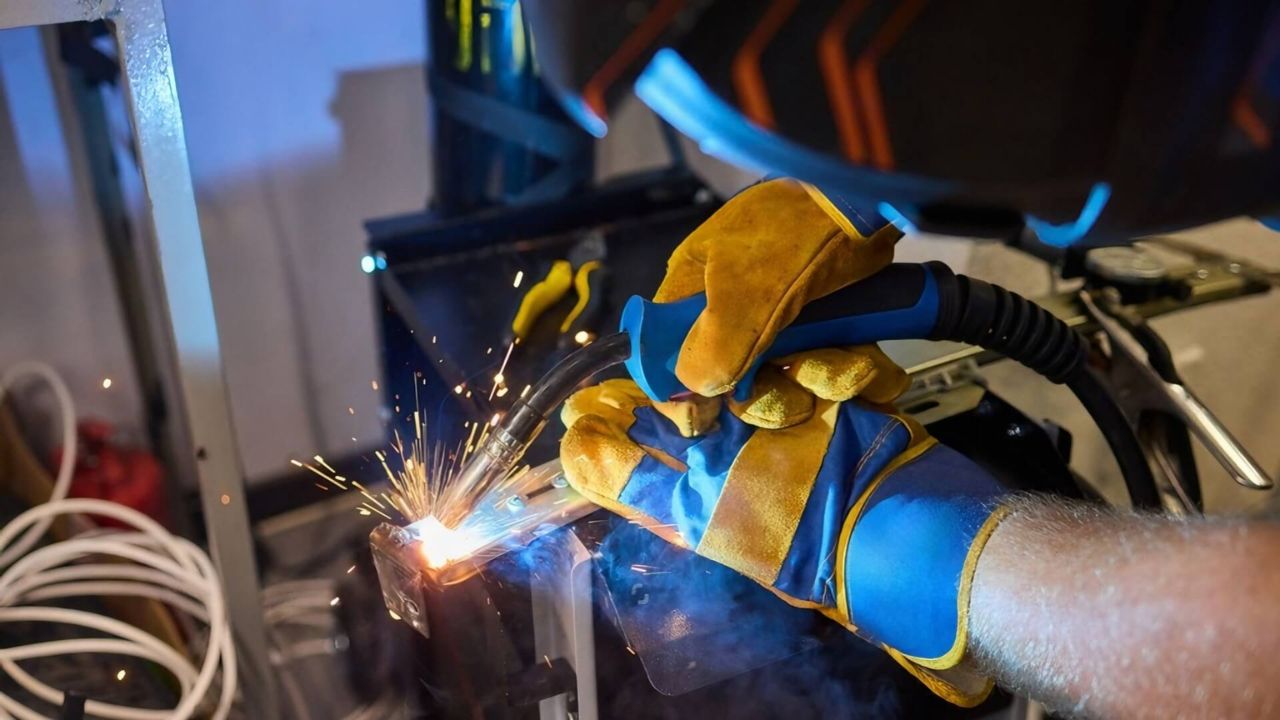
It is utilized by means of heat to modify the shape and structure of steel in the manufacturing and fabrication of items made of steel. When the steel is overheated, it becomes soft and can be manipulated with the help of tools or machines. This is done by enabling the workers to bend, hammer, or press the metal into the required shape. Heat must, however, be regulated well to prevent excessive heating of the steel. If the temperature is too high, the metal could be ruined or lose valuable properties. Experienced metal workers use machines and expertise to make sure that the steel is heated to the right temperature in order to work on a specific job.
Why Understanding Steel’s Heat Limits Is Important
The knowledge of the behavior of steel under heat might help prevent mistakes in the fabrication and production process. On overheating of steel, it may be warped, crack, or lose its strength. The management of heat is also done correctly, which means that the steel does not lose its structural integrity even during the process of shaping and joining with other components. This is particularly necessary in the sectors where steel components should be used in powerful environments, as in the case of construction, automobile manufacturing, and the production of heavy machinery. By being aware of the heat capacities of steel, the metalworkers will create high-quality and more efficient products.
Conclusion
Steel is one of the strongest materials used in the contemporary industry because it is very difficult to melt down, and thus, it is very cost-effective and reliable. Nonetheless, metalworkers should make sure to keep in mind that steel also starts to get weak prior to melting, thus heat control is requisite during manufacturing. Due to the fact that steel is produced by the combination of elements, the melting point can differ depending on the kind of steel that is utilized. With this knowledge, metalworkers have learned how to handle steel better, hence ensuring safe operations, with high-quality outcomes of end fittings in vast industrial fields.